

WEST PALM BEACH, FL – Over the past several years, Google has steadily redesigned its Google Ads platform – and many advertisers say the changes are making it harder to control how campaigns spend money.
Settings that were once clearly visible are now tucked behind icons, secondary menus, or automation panels. In some cases, options that allowed advertisers to manage bids, match types, locations, and targeting have either been minimized, renamed, or removed entirely.
For small businesses and agencies, the result is frustration.
Finding core controls now requires clicking through multiple screens – or hovering over hidden icons – instead of accessing them directly.
Examples Advertisers Point To
Marketers frequently point to several changes:
- Manual CPC and bid controls are harder to find, while automated bidding is promoted as “recommended.”
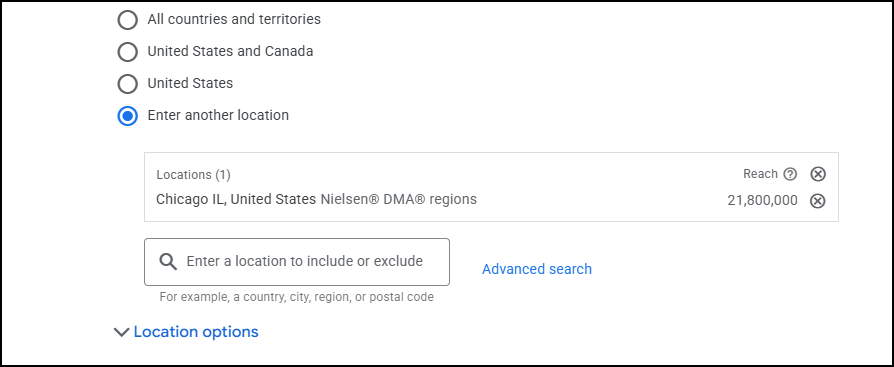
- Location settings default to broader “people interested in,” which can expand reach beyond intended markets.
- Search term visibility has decreased compared to past versions.
- Match types behave more loosely than their names suggest.
- “Auto-applied recommendations” can change campaigns without advertisers realizing it.
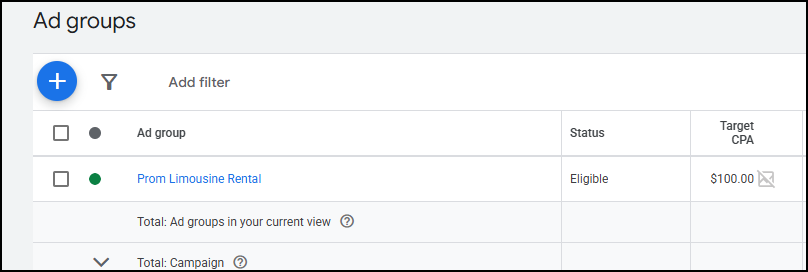
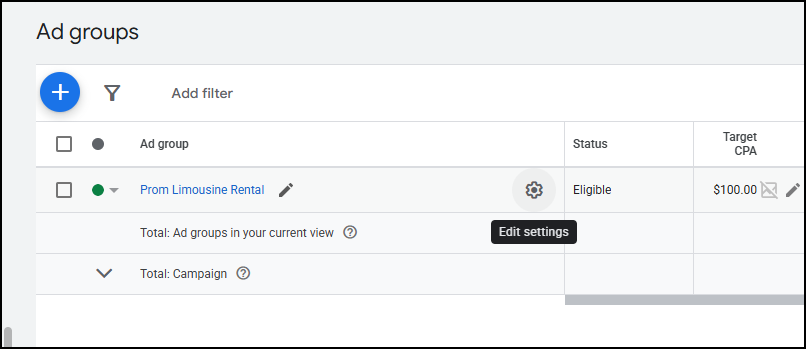
- Ad group and campaign settings have been relocated or hidden behind hover menus.
Example 1

Example 2
None of these changes individually remove control entirely. But taken together, advertisers say they create a platform that quietly nudges users toward broader targeting and automated systems.
Automation Benefits Google – and Sometimes Advertisers
Google frames automation as an efficiency tool. Machine-learning bidding and smart campaigns are designed to help advertisers reach more customers with less manual work.
Automation can, in fact, improve performance – especially for businesses without time to manage complex campaigns.
But critics argue that automation also tends to:
- spend budget faster
- target wider audiences
- give less insight into where money went
And because Google earns revenue based on ad spend, industry observers say the incentives are obvious.
Critics Say Transparency Is the Issue
The concern isn’t automation itself – it’s the lack of transparency when features disappear or become hidden.
Advertisers say they want:
- clearer access to controls
- visibility into search terms and targeting
- the ability to opt out of automated systems when needed
Instead, settings are often buried behind menus, icons, or “smart default” choices that require extra steps to change.
Where This Leaves Businesses
For inexperienced users, the platform now feels deceptively simple on the surface – and more complex underneath.
For experienced advertisers, control is still possible – but only if they know exactly where to look.
As frustration grows, some marketers are calling for Google to make a clearer commitment to transparency, control, and advertiser choice.
Until then, many believe the trend is moving in one direction: more automation, fewer knobs to turn, and a system that ultimately benefits Google first – and advertisers second.