

Meta Projected At $243.46 Billion; Google Projected $239.54 Billion.
WEST PALM BEACH, FL – For more than twenty years, Google has been the center of the digital advertising universe. Businesses built websites around search rankings, marketers obsessed over keyword placement, and entire industries emerged around the ability to capture consumer intent the moment somebody typed a query into a search box.
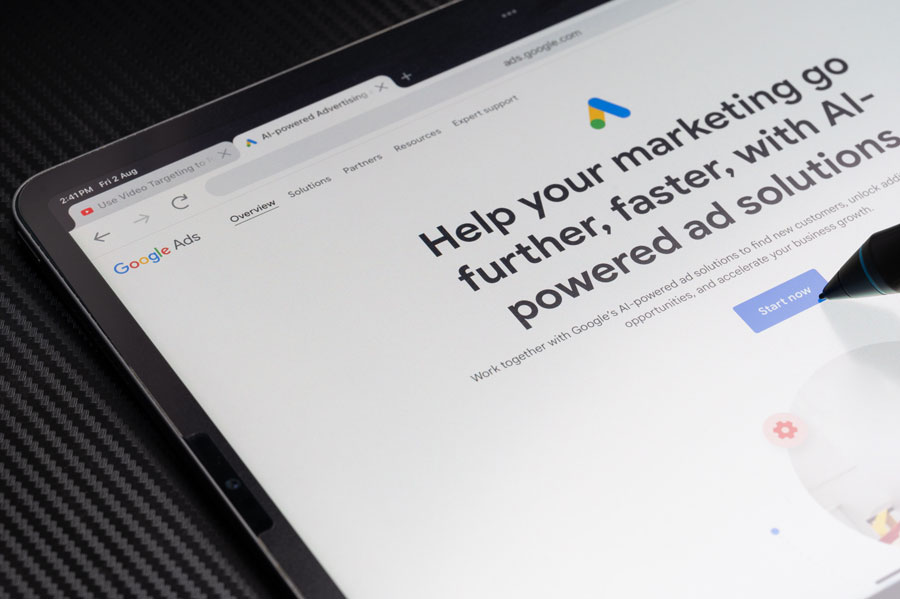
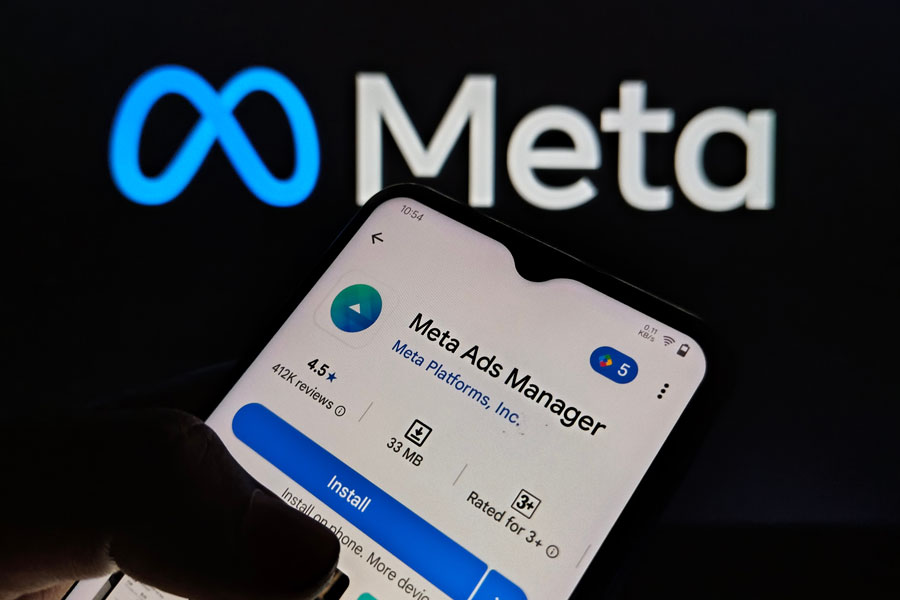
That is why a recent projection highlighted in the Executive Summary newsletter by Legacy Builder caught the attention of people in the digital marketing industry. According to the report, Meta is projected to surpass Google in advertising revenue for the first time, with Meta expected to generate approximately $243.46 billion in ad revenue compared to Google’s projected $239.54 billion.
On the surface, it may sound like a simple financial milestone between two technology giants. In reality, it may represent something much larger – a shift in where online attention now lives and how consumers are increasingly discovering products, services, businesses, and information online.
Google built its empire around search intent. Users searched for something specific, and Google connected them with the answer. Meta, however, built its business around interruption and discovery. Instead of waiting for users to search, its platforms attempt to predict interests and place content directly in front of people before they even realize they are looking for something.
That distinction is becoming increasingly important.
Today, consumers are no longer discovering businesses exclusively through traditional search engines. They are finding restaurants through Instagram reels, products through TikTok videos, contractors through Facebook groups, and professional services through algorithmically curated content feeds. Even Google itself has begun shifting toward AI-generated search experiences, predictive recommendations, and AI Overviews that increasingly attempt to answer questions directly without requiring users to visit websites at all.
This changing landscape is forcing many businesses to rethink what online visibility actually means in 2026.
For years, many companies focused almost entirely on traditional SEO. Rankings were everything. Traffic was the goal. But the internet has become far more fragmented, and visibility now extends well beyond search engine results pages. Modern businesses increasingly need to build authority across multiple channels simultaneously, including social media, AI search systems, local business ecosystems, email marketing, video content, and branded search demand.
That evolution is one reason why services like Generative Engine Optimization (GEO) and Artificial Intelligence Optimization are beginning to receive more attention from businesses attempting to understand how AI systems discover, interpret, and recommend brands online.
The reality is that AI systems, social algorithms, and recommendation engines are increasingly becoming digital gatekeepers themselves. Businesses are no longer competing only for rankings inside Google. They are now competing for visibility inside AI-generated answers, social feeds, recommendation systems, and algorithmically driven discovery platforms.
This may also explain why many businesses have recently reported declining organic traffic despite maintaining strong rankings. SEARCHEN NETWORKS® previously explored this trend in articles like Businesses Are Losing Website Traffic to AI Answers – Here’s What Smart Companies Are Doing About It and Google’s AI Overviews Spark Publisher Backlash Amid Increasing Traffic Declines, both of which examined how AI-generated summaries are beginning to intercept traffic that once flowed directly to publishers and websites.
At the same time, businesses are discovering that social visibility and authority-driven content are beginning to influence search behavior itself. Users increasingly trust creators, niche experts, local personalities, and industry-specific voices more than large anonymous brands. That trend was also reflected in the newsletter’s discussion surrounding the rise of micro-influencers and niche audience engagement.
Ironically, this shift may actually benefit smaller businesses willing to adapt.
A local company with strong branding, consistent content, authentic engagement, and a recognizable digital footprint may now have opportunities to compete in ways that were far more difficult during the early years of traditional SEO. Consumers increasingly respond to familiarity, trust signals, specialization, and perceived authority rather than simply clicking the first blue link they see in search results.
That does not mean SEO is becoming irrelevant. Far from it. Search engines still remain one of the most powerful sources of high-intent traffic online, particularly for service-based businesses and local companies. However, SEO itself is evolving into something broader and more interconnected with content strategy, social media visibility, AI discoverability, conversion optimization, and audience development.
Modern search visibility now often overlaps with brand perception itself.
Businesses that publish authoritative content, maintain active social channels, appear in trusted directories, generate reviews, earn media mentions, and establish strong entity consistency across the web are increasingly building advantages that extend beyond traditional rankings alone. This broader approach to digital visibility aligns closely with areas such as Branding Signals, Content Generation Services, and Social Media Marketing, all of which contribute to how modern search engines and AI systems interpret online authority.
Another major takeaway from this industry shift is the growing importance of owned audiences. One of the more important points raised in the newsletter was the danger of building entirely on rented platforms. Social media followers, platform reach, and even search visibility can fluctuate dramatically based on algorithm updates and policy changes. Businesses that rely exclusively on third-party platforms may find themselves vulnerable when those systems inevitably change.
That is one reason why many companies are placing renewed emphasis on email marketing, customer databases, lead tracking, remarketing, and direct communication channels that they actually control. Services such as Marketing Attribution & Lead Tracking and Remarketing Campaigns are becoming increasingly valuable as businesses attempt to better understand not only where leads come from, but how to maintain long-term audience relationships independent of constantly shifting algorithms.
In many ways, the rise of AI search, social discovery, and algorithmic content distribution is forcing businesses to think more holistically about digital marketing. Rankings alone are no longer enough. Visibility itself has become multi-dimensional.
Businesses must now ask:
- Are we visible in AI-generated answers?
- Are we discoverable across multiple platforms?
- Does our brand appear authoritative and trustworthy?
- Are we creating content people actually engage with?
- Are we building direct relationships with our audience?
- Can consumers find us even if Google changes tomorrow?
Those questions are becoming increasingly important because the internet itself is changing.
Meta surpassing Google in advertising revenue may ultimately prove to be less about Meta “winning” and more about the broader evolution of how attention moves online. Search is no longer the only gateway to visibility. Discovery, recommendations, AI systems, content feeds, and digital authority are all becoming part of the modern marketing ecosystem.
Businesses that recognize this shift early may be in a much stronger position to adapt to the next generation of online visibility.
 Enjoyed This Content?
Like our coverage of search, SEO, AI, and digital publishing? Add SEARCHEN NETWORKS® as a Google Preferred Source to discover more of our articles in Google Search.
Add SEARCHEN NETWORKS®