

Implications For SEO And Online Visibility Are Enormous
WEST PALM BEACH, FL – Google just made one of the most significant announcements in the history of Search, and many businesses still do not fully understand what is happening.
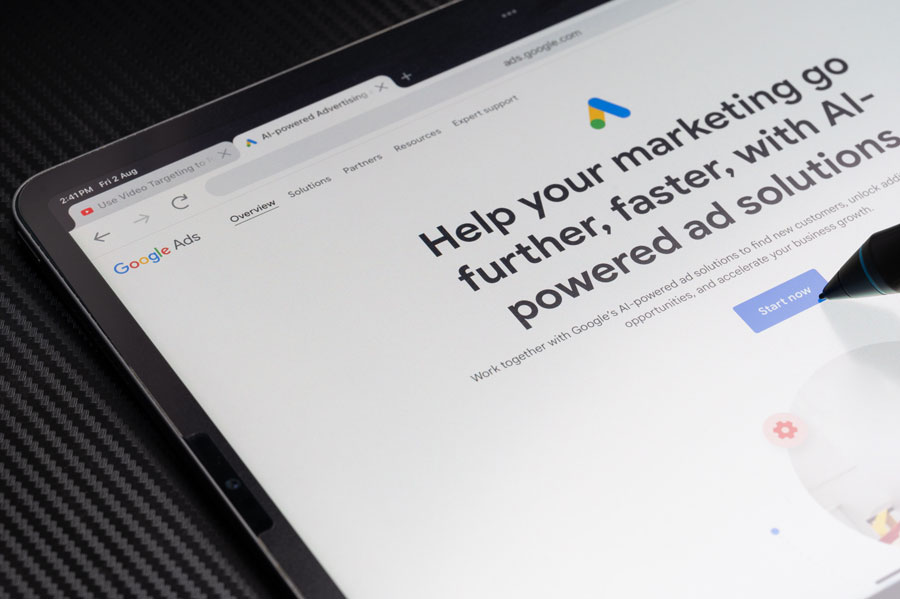
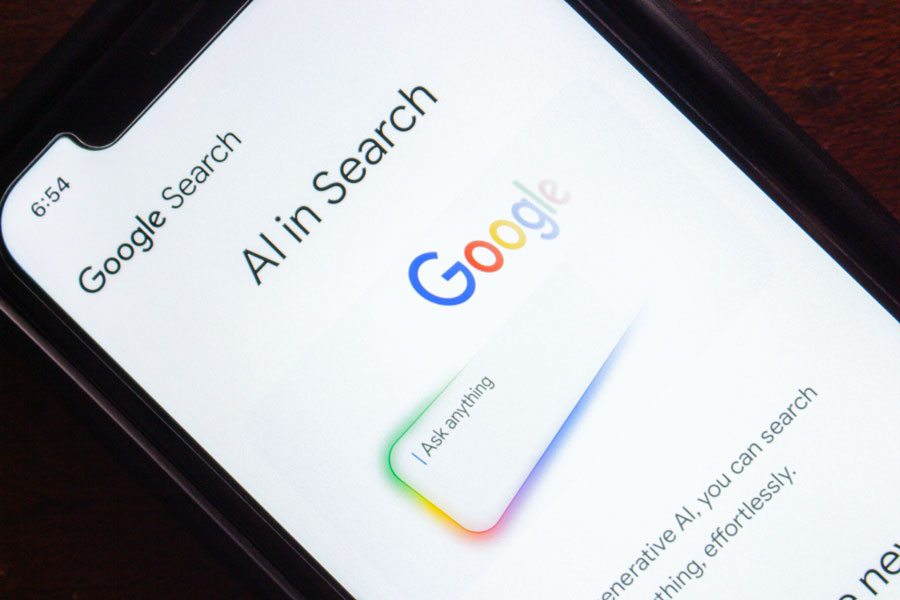
At Google I/O 2026, the company formally unveiled what can only be described as the next era of Search: an AI-driven, conversational, task-oriented ecosystem where Google increasingly behaves less like a traditional search engine and more like an intelligent digital assistant capable of researching, summarizing, comparing, planning, and eventually completing tasks on behalf of users.
Google I/O is the company’s annual developer and technology conference where it unveils major changes to its products, platforms, artificial intelligence systems, and long-term strategic direction. The 2026 event focused heavily on AI and Search, with Google describing its new AI-powered Search experience as the biggest transformation to Google Search in more than 25 years.
For business owners, publishers, marketers, advertisers, and SEO professionals, the implications are enormous. This is not simply another algorithm update. It represents a structural transformation in how information is discovered online. For companies that depend on search visibility, local discovery, website traffic, or digital lead generation, understanding this shift is rapidly becoming essential.
Google Is No Longer Just Returning Search Results
For decades, Google Search worked largely the same way:
- A user typed in keywords
- Google returned a list of blue links
- Users clicked websites to gather information
That model is rapidly changing.
Google’s new AI-first vision introduces a far more conversational and interactive experience where users increasingly:
- ask long, detailed questions,
- engage in follow-up conversations,
- upload photos and video,
- receive synthesized answers,
- compare options directly inside Search,
- and eventually allow AI systems to perform actions on their behalf.
Google repeatedly emphasized concepts such as:
- conversational search,
- multimodal interaction,
- personalization,
- AI-generated interfaces,
- and “agentic” experiences.
The term “agentic” is especially important. It refers to AI systems capable of actively assisting users with tasks rather than simply retrieving information.
In practical terms, this means Google Search is evolving into a digital assistant that can:
- conduct research,
- summarize information,
- compare products,
- recommend services,
- organize data,
- generate planning tools,
- and potentially complete tasks directly inside Google’s ecosystem.
This represents one of the largest transformations in the history of the internet.
The Search Box Is Becoming an AI Conversation
One of the clearest takeaways from Google I/O 2026 is that traditional keyword searching is fading into the background. Users are increasingly expected to interact with Search more naturally.
Instead of searching:
“best family suv florida”
Users may now ask:
“Find me the safest midsize SUV under $40,000 with good gas mileage, low insurance costs in Florida, and enough room for two kids and beach gear.”
Google’s AI systems then:
- interpret intent,
- synthesize multiple sources,
- compare data,
- and present an organized answer.
Follow-up questions continue the conversation naturally. This dramatically changes the relationship between users, websites, and search engines.
AI Mode Is Becoming Central to Google Search
Google’s “AI Mode,” previously viewed as experimental, is now becoming deeply integrated into core Search functionality.
AI Mode is designed to:
- understand context,
- maintain conversational continuity,
- generate synthesized answers,
- compare information dynamically,
- and potentially complete actions for users.
This is significant because users may increasingly obtain answers directly from Google without visiting traditional websites. For businesses and publishers, this creates both opportunity and disruption.
Search Results Are Becoming Interactive Experiences
Perhaps the most underappreciated part of Google’s announcement is the shift toward dynamic, AI-generated interfaces.
Google demonstrated:
- interactive comparisons,
- generated planning layouts,
- AI-created data summaries,
- visual recommendation systems,
- and mini application-style interfaces directly inside Search.
In many cases, Google may no longer simply send users to websites for answers. Instead, Google increasingly becomes the answer interface itself.
This has major implications for:
- publishers,
- affiliate marketers,
- informational blogs,
- travel websites,
- recipe websites,
- local directories,
- comparison engines,
- and many advertising-supported web properties.
Businesses that relied heavily on organic traffic from informational searches may see substantial shifts in user behavior over the coming years.
Why Businesses Should Pay Attention Immediately
Many business owners still assume SEO simply means “ranking on Google.” That definition is now incomplete.
Visibility online increasingly extends beyond traditional rankings and now includes:
- AI-generated summaries,
- AI citations,
- AI Mode recommendations,
- Google Maps visibility,
- entity recognition,
- local trust signals,
- authoritative mentions,
- structured data,
- and broader digital reputation indicators.
In other words, Google’s AI systems are increasingly evaluating:
- who your business is,
- whether your business is trusted,
- where your business is referenced,
- how consistently your business is represented online,
- and whether authoritative sources recognize your brand.
This is a major shift from older SEO strategies that focused primarily on keywords and backlinks alone.
The Rise of Entity-Based Optimization
One of the clearest long-term trends emerging from Google’s AI transition is the growing importance of entity recognition.
Google increasingly attempts to understand:
- companies,
- people,
- organizations,
- locations,
- products,
- and brands
as identifiable entities rather than just words on webpages.
This means businesses must now focus on:
- brand consistency,
- authoritative citations,
- schema markup,
- local verification,
- digital authority,
- public references,
- industry associations,
- and broader trust signals.
For example:
- Chamber of Commerce memberships,
- Better Business Bureau profiles,
- media coverage,
- structured business schema,
- and consistent business references across the web
may become increasingly valuable.
AI systems rely heavily on trusted contextual signals to determine credibility and authority.
Traditional SEO Is Not Dead – But It Is Changing
Google repeatedly emphasized during I/O 2026 that:
“We still value the web.”
That statement appears intentionally reassuring because many publishers are deeply concerned about what AI-generated answers mean for website traffic. The concern is valid.
As Google increasingly summarizes information directly within Search:
- some websites may receive fewer clicks,
- informational traffic may decline,
- and advertising-driven publishing models may face growing pressure.
However, this does not mean websites disappear.
Instead, websites increasingly serve as:
- trusted source material,
- authority validation,
- conversion destinations,
- and brand credibility assets.
Businesses that establish genuine expertise and authority are likely to perform far better than low-quality, mass-produced content operations.
The Businesses Most at Risk
Google’s AI transition presents substantial risks for:
- thin affiliate websites,
- generic “Top 10” content,
- low-value SEO pages,
- clickbait informational content,
- ad-heavy content farms,
- and websites built primarily around search arbitrage.
If Google can answer a question directly, users may no longer need to visit low-value intermediary pages. The internet is likely entering a period where quality, authority, reputation, and trust matter more than ever before.
What This Means for Local Businesses
For local businesses, visibility is becoming increasingly multi-dimensional.
Businesses must now think beyond:
- rankings,
- keywords,
- and basic website optimization.
Modern digital visibility increasingly includes:
- Google Business Profile optimization,
- review signals,
- local citations,
- authority mentions,
- structured business data,
- AI discoverability,
- brand consistency,
- and reputation management.
Businesses that establish strong local authority and recognizable digital identities are likely to benefit most from AI-driven discovery systems.
What This Means for the Future of Marketing
The broader takeaway from Google I/O 2026 is that digital marketing is entering a new phase where:
- AI visibility,
- authority,
- entity recognition,
- trust,
- and brand reputation
may become as important as traditional rankings themselves.
Businesses that adapt early may gain significant advantages. Businesses that continue relying solely on outdated SEO tactics may struggle as Search evolves.
The companies that will likely perform best in the coming years are those that:
- build strong brands,
- establish authority,
- earn trusted mentions,
- create genuinely useful content,
- and maintain consistent digital identities across the web.
Key Takeaway
Google’s announcements at I/O 2026 confirm what many in the industry have suspected for years: Search is evolving into an AI-powered operating layer for the internet itself.
This transition will reshape:
- online discovery,
- website traffic,
- advertising,
- local visibility,
- digital publishing,
- and customer acquisition strategies.
While there is still uncertainty surrounding exactly how quickly these changes will unfold, one thing is becoming increasingly clear: The future of online visibility will belong less to companies that simply “rank webpages” and more to businesses that establish trusted digital authority across the broader web ecosystem. For businesses trying to understand what this means for their online presence, now is the time to begin preparing – because the AI transformation of Search is no longer theoretical.
It is already underway.
Some users are already seeing early versions of these AI-powered Search experiences through AI Overviews, AI Mode, conversational Search enhancements, and interactive AI-generated results, with broader rollout expected to continue throughout 2026 and beyond.
 Enjoyed This Content?
Like our coverage of search, SEO, AI, and digital publishing? Add SEARCHEN NETWORKS® as a Google Preferred Source to discover more of our articles in Google Search.
Add SEARCHEN NETWORKS®